


How to Choose a Colonoscopy Doctor in San Antonio
Selecting the right specialist for your colon cancer screening is crucial for your long-term health. When looking for a colonoscopy doctor in San Antonio, you want a physician with many years of experience and proven clinical skills.
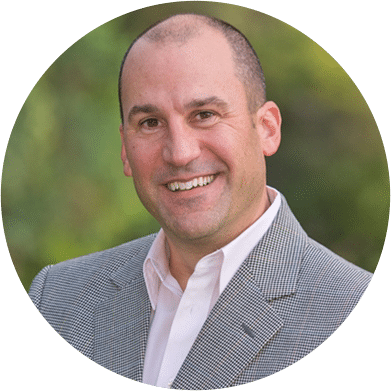
Dr. Russell Havranek provides high-quality, compassionate care supported by outstanding quality metrics.
-
- Extensive Experience: Since 2005, Dr. Havranek has performed more than 20,000 colonoscopy procedures.
- High Adenoma Detection Rate (ADR): Dr. Havranek’s average ADR is 37.8%. According to current clinical guidelines from the American College of Gastroenterology, a high-quality colonoscopist should have an average ADR of 25% or higher. The ADR is a quality measure that assesses how effectively a doctor detects and removes precancerous polyps during a colonoscopy.
- Thorough Withdrawal Time: With an average withdrawal time of 13.4 minutes, Dr. Havranek exceeds the recommended minimum of 6 minutes. This enables a careful examination of the colon lining as the scope is withdrawn.
- Lower Costs & Convenience: Procedures are performed at the San Antonio Endoscopy Center, an accredited outpatient facility. This typically results in lower facility fees, a more convenient experience, and a lower risk of infection compared to a hospital setting.
- Licensure and Training: Click to learn more about Dr. Havranek’s experience and credentials
When choosing a colonoscopy doctor in San Antonio, a physician’s experience and quality indicators can help ensure your screening is performed accurately and carefully.
Other Selection Factors:
- Reviews: Click to view our online reviews
- Insurance & Self-Pay: We accept most major insurance plans and offer transparent pricing for self-pay patients, including facility, doctor, and biopsy fees.
- Click to view the list of accepted insurance providers
- Call us at 210-615-8308, and our team will be happy to go over our self-pay fees for a colonoscopy.
If you’re due for colon cancer screening, schedule your colonoscopy in San Antonio today.

Why Colon Cancer Screening is Essential for San Antonio Residents
Colon cancer is one of the most preventable cancers, yet it remains a leading cause of cancer deaths in Texas. Early detection through a colonoscopy is the only way to find and remove precancerous polyps before they become a threat.
When Should You Start Your Colonoscopy Screenings?
The guidelines have changed: Screening should now begin at age 45 for average-risk adults. If you have a family history of colon cancer or symptoms like persistent abdominal pain, you may need to start even sooner. Don’t wait for symptoms—early screening saves lives.
Screening vs. Diagnostic Colonoscopies
- Screening Colonoscopy: A routine check for patients with no symptoms (preventative care).
- Diagnostic Colonoscopy: Performed if you are experiencing symptoms like bleeding, changes in bowel habits, or anemia.
Note: Most insurance plans cover screenings at 100% as preventative care. The cost of a diagnostic colonoscopy will be determined by the patient’s insurance policy.
What to Expect During Your Colonoscopy Appointment
We understand that the “prep” is often the biggest concern for our patients. Dr. Havranek’s team prioritizes your comfort and convenience from start to finish.
Easy Prep Options for San Antonio Patients
Forget the “gallon of salt water” myths of the past. We offer modern, low-volume prep options that are much easier to tolerate. Our team provides clear, step-by-step instructions to ensure your colon is clean.
Although I understand this isn’t enjoyable, it’s the most important part of preparing for the exam. The cleaner your colon, the better our chances of detecting even the smallest polyps.
Russell Havranek, MD
A Comfortable Experience: Sedation and Recovery
Your procedure is performed under “monitored anesthesia care,” meaning you will sleep comfortably and feel no pain.
- Procedure Time: Usually 20–30 minutes.
- Recovery: You’ll wake up in our recovery suite and be ready to head home (with a driver) shortly after.
- Results: Dr. Havranek will provide preliminary results before you leave the surgery center.
Your Local Expert in Digestive Health
Choosing a local San Antonio GI specialist means you get personalized follow-up care without the hassle of a massive hospital system.
Conveniently Located Near the Medical Center
Our office and the San Antonio Endoscopy Center are easily accessible for patients throughout Bexar County. Choosing our accredited outpatient center means:
- Easier Parking: No navigating giant hospital garages.
- Lower Costs: Outpatient facilities generally have much lower out-of-pocket costs than hospitals.
- Safety: A specialized environment focused solely on GI health.
Colonoscopy FAQs
A colonoscopy is a procedure in which a thin, flexible tube with a camera on the end is inserted through the colon (large intestine) while you are asleep to look for and remove lesions. It has been available in the United States for over 50 years and has significantly advanced during that time. It is performed Monday through Friday at our gastroenterology clinic in San Antonio, TX.
When you arrive for your colonoscopy, our endoscopy nursing team will check you in, review your medical history, and place an IV to help make you comfortable during the procedure. You will then meet with the anesthesiology provider to discuss your sedation. Afterward, Dr. Havranek will review the procedure with you and answer any last-minute questions. The entire process takes about 20-30 minutes.
Once in the endoscopy suite, you will receive medication through your IV to make you sleepy and comfortable. You will be awake enough to breathe on your own but sleepy enough not to feel any discomfort during the exam. While you are asleep, Dr. Havranek will pass the colonoscope (a small, thin tube) along the inside of your colon until it reaches the small intestine on the other side (about 5-6 feet). Any polyps encountered will be removed at this time.
The procedure itself takes about 20-30 minutes, after which you will be taken to the recovery room to wake up gradually. Once you are awake (approximately 30-60 minutes later), Dr. Havranek will review the results of your exam with you before you go home, and you will receive a copy of the report for your records.
We will do everything possible to make your exam as safe, pleasant, and comfortable as we can. Please arrive at the endoscopy center at least one hour before your scheduled exam time. This allows our nurses and anesthesia providers to review everything with you in detail and discuss your health and medical history, ensuring your safety. They will also answer any questions you may have. An IV will be placed in a vein in your arm to administer fluids and medications during the procedure.
You will speak with Dr. Havranek, who will address any questions you have before the exam. Then, you will receive medications through the IV to help you relax and sleep during the procedure. You will be alert enough to breathe on your own but sleepy enough to feel comfortable. Once you fall asleep, we will insert the scope and examine your entire colon for abnormalities, taking biopsies or removing polyps as needed. This process takes about 20-30 minutes.
You will then be taken to the recovery room, where a different group of nurses will monitor you closely until you are fully awake. Dr. Havranek will review your exam results with you before you leave the endoscopy center that day, and copies will be sent to your doctor. Although you will be awake before you leave, it is important that you bring a friend or relative who can safely drive you home. You should take this day off work and will probably want to relax and rest for the rest of the day. The day after your exam, you can return to full activity.
Polyps are common. Studies have shown that about 25-40% of people over age 45 have a precancerous colon polyp during their exam. Most polyps can be removed during a colonoscopy. Dr. Havranek has many tools he can insert through the colonoscope’s working channels during your exam to safely remove them. For small polyps, he will use biopsy forceps, like small scissors, to trim them out. For larger polyps, he will use a snare (like a loop) that goes around the base of the polyp, and while cutting through it, an electric current is applied to cauterize the base and reduce bleeding. Since polyps grow in the colon’s superficial lining (mucosa), which has very few significant blood vessels, any bleeding is usually minimal and stops on its own within a minute or two. Polyps that are too large to be safely removed are biopsied and tattooed—meaning dye is injected into the lining of the colon at the site of the polyp for easy identification in the future. Once the biopsy results return, Dr. Havranek’s team will discuss the significance of the polyp and decide whether they can safely monitor it or have it removed surgically (laparoscopically). All removed polyps are sent to a gastroenterology-trained pathologist, who reviews them and provides a report on their type. That information, along with Dr. Havranek’s recommendations, is then sent to you through our patient web portal and faxed to your physician.
The day before your colonoscopy, you will start a liquid diet around lunchtime. You can continue to work on this day. That evening, usually after work, you will begin the bowel prep. This will keep you occupied for the night, so if you work the graveyard shift, you should take that shift off to stay at home. On the day of the exam, we ask that you take the entire day off work. Although you will only be at our endoscopy center for about 2-3 hours, you will be sedated, so we do not want you driving or making any major decisions for the rest of the day. You will likely want to go home and rest. The next day, you can return to your normal activities.
A patient’s privacy is always a top priority. Our team members understand that the idea of strangers seeing your bare skin can be embarrassing. We take extra precautions to keep you covered with warm blankets right up to your exam. Once you are asleep, Dr. Havranek will expose only the necessary part of your backside to safely pass the colonoscope and perform the colonoscopy. The nurse and anesthesiology provider work on the opposite side of your exam table and cannot see your backside. The endoscopy technician assisting Dr. Havranek during the procedure will stand by his side and conduct everything professionally. Our team will do everything possible to protect your privacy.
A colonoscopy performed by an experienced team should not be painful at all. Before the exam begins, you will receive some sedating medication through your IV administered by an anesthesia provider, and you will drift off to sleep. You will be awake enough to breathe on your own but sleepy enough to be comfortable. During the exam, you should not feel anything. Afterward, you may feel gassy and bloated for a while due to the air introduced into your colon during the procedure, but this usually passes fairly quickly.
The U.S. Preventive Services Task Force and the American College of Gastroenterology both recommend that colon cancer screening start at age 45. They also suggest ongoing surveillance until at least age 75, depending on other health factors. If you have additional risk factors, such as a family history of colon cancer or precancerous polyps (adenomas), a personal history of other cancers, or a hereditary condition linked to higher colon cancer risk, screening might need to begin at a younger age. Unexplained rectal bleeding at any age should also be evaluated. If you have specific questions about when to be screened, please contact our office to schedule an appointment to discuss your screening plan.
For the correct indication, colonoscopy is covered by most insurance carriers. Screening at age 45 or older, or sooner if you have risk factors, and blood in the stool, is also covered by nearly all insurance plans. The only sure way to know is to have our office check your insurance benefits, which they will do free of charge. They can determine if and how well it is covered under your plan. Don’t let your insurance company’s decision on coverage discourage you from getting screened—if colon cancer is missed, the insurance saves money on the colonoscopy, but you may have to deal with the cancer later. Most endoscopy centers, including ours, offer private pay cash prices if your insurance doesn’t cover your exam. Our goal is to make this affordable so you can get screened.
Yes. There are many studies on this topic, and we have found that colonoscopy and colon cancer screening do save lives. It is estimated that over 158k people will be diagnosed with colon cancer in the United States this year, and 55k will die from it. A large, long-term study from Harvard School of Public Health concluded that 40% of all colorectal cancers could be prevented if people underwent colonoscopy screening. The National Polyp Study conducted in the United States found risk reductions of 76% to 90% among those screened with colonoscopy. These are just two examples of many studies showing that colonoscopy effectively helps prevent colon cancer by finding and removing polyps, ultimately saving lives.
A colonoscope is a thin (10mm) tube with a lighted camera. It also has channels that allow different instruments, like small forceps for biopsies or snares to remove polyps, to be passed into your colon during the exam. This makes the colonoscope a tool that helps us both detect and remove polyps during the same procedure. It is used by gastroenterologists, like Dr. Havranek, to treat colon bleeding, remove polyps, detect colon cancer, and remove foreign objects.
Colonoscopy is a very safe procedure, especially when done by a trained specialist. Like any medical procedure, it carries some potential risks, although they are rare.
- Reaction to sedation medications
Rare, but possible. Our team reviews your medical history to minimize this risk. - Bleeding
Can occur after a biopsy or polyp removal (about 0.1% risk). The risk may be higher if you take certain medications. - Perforation (tear in the colon wall)
Very rare, but it may need additional treatment or surgery if it happens. - Aspiration
Breathing in stomach contents if vomiting occurs—this is why fasting before your procedure is important.
What to watch for after your procedure:
Call our office immediately if you experience severe abdominal pain, fever, chills, or significant bleeding.
Your safety is our top priority, and our team takes every precaution to minimize these risks.